“The great aim of education is not knowledge but action”
-Herbert Spencer
Classroom Workshops
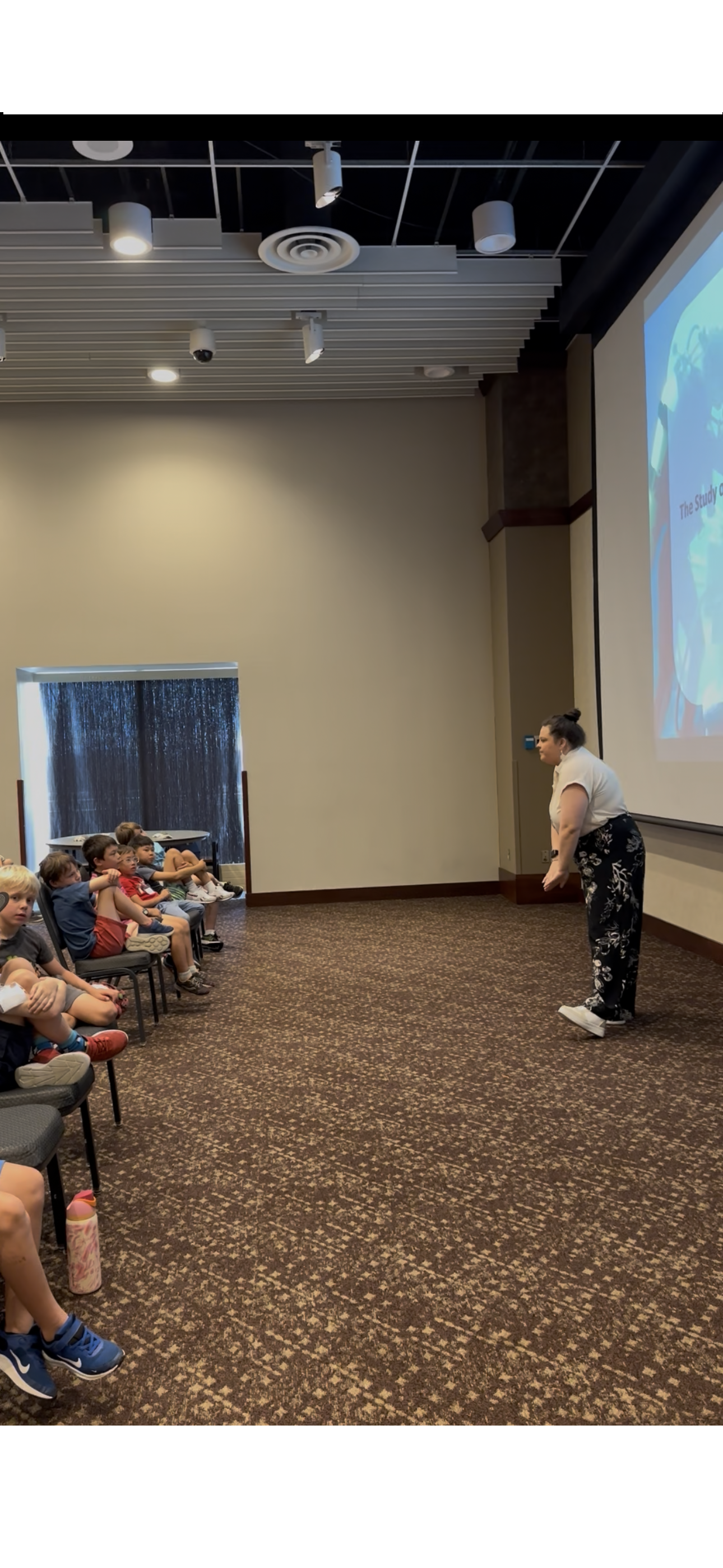
WAVE brings environmental education directly into schools, especially those without the resources to support conservation-focused learning. Our programs introduce students to critical topics like marine science, sustainability, and wildlife conservation, ensuring that every child, regardless of their school’s budget, has access to hands-on environmental education. With generous donations, we can continue offering these programs at no cost to schools in need. As funding grows, we will expand our impact by launching our animal programs, allowing us to bring live animals into classrooms and giving students an up-close learning experience with wildlife.
Available Workshops
-
Age: High School
Duration: 1 hour
Summary:
Calling all animal lovers! This course is designed to get high school students interested and ready for potential careers working with animals. We will role-play rescue and restraint drills, learn about different careers from people who actually work in those fields through videos, learn and design resumes/CV’s, and practice some interview prep skills! S
Extension Activity: Interview someone who is working in your dream career field using WAVE’s existing interview questionnaire.
Learning Objectives:
Learn the difference between a resume and a CV
Understand the different animal career branches that are out there
Build interview skills
Practice different animal restraint and rescue techniques used in different animal careers
Recognize confidence in asking questions and networking
-
Age Group: K
Duration: 45 minutes
Summary:
Go on an heavily-active workshop adventure throughout the world to learn about biomes and different ecosystems around the world! Crawl deep into the darkest caves, and climb high into the trees of the rainforest, and everything between. Let’s learn how animals work together to create an ecosystem, and everything a habitat would need to be considered for survival.
Extension Activity: Draw a picture of a biome and all the animals inside of it
Learning Objectives:
Define an ecosystem and a habitat
Explain what animals need within these systems to survive
Recognize different biomes on the planet and analyze the differences between them
Explain why animals live where they live
Discuss how biomes change due to climate change and how animals counteract climate change, or (more likely) can’t adapt
Explain how to help
-
Age Group: 4th-5th Grade
Duration: 60 minutes
Pre-Activity: Draw a Food Chain
Summary:
Let’s take a chomp out of animal food webs through BiteSize, a fun, game-packed adventure to help students learn more about how ecosystems flow together through food webs, food chains, and energy. Look closer at predator-prey relationships and how they balance each other out, and learn more about what would happen when that balance shifts.
Extension Activity: Group Poster on 1 Ecosystem Food Web
Learning Objectives:
Define and differentiate between predators and prey
Explain the concept of food webs and chains
Describe the flow of energy through ecosystems
Analyze the impact of predator-prey relationships on ecological balance
Recognize the importance of biodiversity and conservation efforts
-
Age Group: High School & College
Duration: 60 minutes
Summary:
This course is an introduction to the world of marine science careers. Learn from marine scientists about the different branches of marine science and jobs related to each branch. Discuss the importance of having marine scientists and how they change the world and outcomes for the marine world. Go over the requirements needed for a career in marine science and how students can utilize their resources to gain these requirements. By the end of the course, students interested in pursuing marine science or any environmental science career will walk away with an understanding of their next steps and the resources they have to get ahead in their field of choice. For students not interested in pursuing a career, they’ll get an understanding of the importance of science and scientists in the world they live in.
Extension Activity: Interview prep worksheet OR report on the marine science career of their choice
Learning Objectives:
Describe the differences between the marine science branches
Know the requirements needed to enter a specific branch of marine science
Recognize the importance of different marine science careers
Be able to analyze preferences for specific fields of marine science
Utilize problem-solving techniques to find solutions to ongoing marine-related issues
-
Age Group: 3rd-5th Grade
Duration: 45 minutes
Summary:
Come sit in the Conservation Corner, where students learn some of the most common issues facing our planet, why they are happening, and the current solutions scientists are implementing to help! Students will get to learn how they themselves can help as students.
Extension Activity: Build a trash sculpture OR draw what the students believe climate change is
Learning Objectives:
Identify current problems facing the planet and understand them (deforestation, pollution, & climate change)
Utilize problem-solving skills to find solutions to these problems
Recognize current solutions to these issues that scientists are using
-
Age Group: 6th-9th Grade
Duration: 60 minutes
Summary:
Enter the world of colorful corals and the reefs they build. Dive into coral anatomy and adaptations using actual coral artifacts! Help create solution models to some of corals’ largest threats while being creative using problem-solving skills, art, and team building.
Extension Activity: Have a group of students build/design a coral reef conservation strategy and do a paper, presentation, or poster.
Learning Objectives:
Understand Coral Anatomy and identify different corals based on anatomy
Describe Coral Reef structures and ecosystem building
Discuss coral reef threats and current conservation methods
Be Able to use team-building and problem-solving to design a conservation project
-
Age Group: High School
Duration: 60 minutes
Summary:
Through this tech-focused course, students will gain knowledge of the deep ocean and the animals that call the deep ocean home through visualization activities. Students will get to learn about the adaptations of animals and learn the stories of new species and exploration. Students will gain an understanding of the different forms of technology that are designed for the deep oceans through problem-solving activities.
Extension Activity: Students design their own submarine/ROV
Learning Objectives:
Gain an understanding of the deep ocean and the differences between the zones of the ocean
Analyze adaptations for animals to survive down there
Recognize different deep-sea technologies and their uses
-
Age Group: High School
Duration: 60 minutes
Summary:
Policy can mean the difference between laws, regulations, and ecosystem survival. Students will get to tackle pressing environmental issues through simulations and explore how major policies can shape real-world decisions. They’ll gain insight into the complexities of environmental governance.
Extension Activity: As a group, students will develop a concise policy pitch or brief
Learning Objectives:
Understanding how environmental policy is created and debated
Experience real-world conflicts
Practice persuasion, negotiation, and critical thinking
Recognize current policies, laws, and regulations that shape environmental conservation
-
Age Group: 3rd-4th Grade
Duration: 45 minutes
Summary:
Animals can be superheroes too! Ocean animals have unique adaptations that thorugh this program, students will learn are a lot like the superpowers of their favorite superheroes. Through this analogy, students will draw connections to superpowers and animal adaptations that help them survive in the wild. They’ll learn more about how different environments can produce different superpowers and use critical thinking and creativity to formulate ideas about animals through hands-on activities.
Extension Activity: Creating their own ‘Super’-Animal
Learning Objectives:
Learn about the amazing adaptations of marine creatures
Understand how adaptations help animals survive in different environments
Draw connections between real marine animals and fictional superheroes
Develop creativity and communication skills through hands-on activities
-
Age Group: High School
Duration: 60 minutes
Summary:
Dive into the fascinating world of microscopic life. Students will explore the diverse array of microorganisms, from phytoplankton to nematodes, and understand their importance in the ecosystem. Utilizing hands-on activities and bringing in microscopes for students to analyze real cultures, students will gain a deeper appreciation for these invisible organisms.
Extension Activity: Design an art project that represents microscopic life in the student’s perspective.
Learning Objectives:
Differentiate between different forms of microscopic life
Understand their importance in their ecosystems
Threats to microscopic life and safety against microscopic life
-
Age Group: 1st-2nd Grade
Duration: 45 minutes
Summary:
It’s time to take students on a journey through Minnesota’s ecosystems. Through hands-on activities, artifacts, and real-world environmentalists, students will adventure through the different flora and fauna they are more likely to find in their own backyards. Students also get a chance to learn how to help protect these ecosystems through real-world changes they can make in their daily lives as kids! Students should know what’s going on in their own backyards and how to counteract the damage that is being done to the environment that’s all around them.
Extension Activity: create a trash sculpture OR draw a picture of their favorite MN ecosystem
Learning Objectives:
Recognize the different ecosystems in Minnesota
Understand the different animals in each ecosystem
Know the different environmental impacts on Minnesota environments and know different conservation and sustainability methods to counter them.
-
Age Group: High School
Duration: 60 minutes
Summary:
College is coming, and through this program, students gain real-world knowledge on career readiness, including resume building, interview techniques, and more. Students should be prepared for their next adventures, and through this workshop, they’ll feel empowered to make decisions, make pathways, and learn about the career options they have.
Extension Activity: Build their first usable Resume OR write a report/build a presentation on their next steps to help them build their career
Learning Objectives:
Develop interview skills
Build resumes
Participate in mock interviews
Understand different career pathways
Enhance confidence and readiness
-
Age Group: Middle School
Duration: 60 minutes
Students will embark on an engaging journey to learn about the physical aspects of the ocean, its impact on Minnesota, and the importance of protecting it. Through hands-on learning activities, students can engage with colors, experimentation, and chemistry. Students will gain an understanding of the different cycles that affect the oceans and how the oceans balance themselves through these cycles.
Extension Activity: Create a poster of 1 of the cycles talked about
Learning Objectives:
Understand the measurable aspects of the ocean (waves, currents, salinity, chemistry, etc.)
Utilize scientific thinking to understand the cycles in the ocean through experimentation
Recognize the shifts in color in the ocean and how that plays a factor in animal survival
Comprehend the importance of ocean conservation on a chemical level and how climate change is hurting the chemistry of the ocean
-
Age Group: middle school
Duration: 60 minutes
Summary:
During this workshop, students will utilize real plants to learn about plant anatomy, the importance of plants in the ecosystem, and how to protect plants against their current threats. Students will learn through hands-on activities, artifacts, and problem-solving.
Extension Activity: poster on their favorite plant species OR as a class, plant a garden
Learning objectives:
Understand plant anatomy
Recognize the differences in plants
Use problem-solving to help solve current threats to plant biodiversity
-
Age Group: Middle School
Duration: 60 minutes
Summary:
Take a chomp into sharks, where students will learn about shark anatomy, the vast differences in adaptations that sharks possess, and learn more about the struggles they face in the oceans today. Through artifacts, hands-on activities, and problem-solving exercises, students will gain insight into some of the most scientifically understood yet publicly misunderstood predators.
Extension Activity: Give a Report on 1 species of Shark OR create a poster
Learning objectives:
Recognize different species of sharks
Understand adaptations and how sharks are different
Know the problems currently threatening shark species and the solutions being utilized
-
Age Group: 5th-9th Grade
Duration: 60 minutes
Summary:
Students will gain an understanding of how Earth’s climate affects weather patterns. They’ll learn cloud formations, storm systems, and preparedness for intense weather. Using hands-on learning and activities, students will recognize the different systems the planet has that naturally (and unnaturally through climate change) change our weather patterns.
Extension Activity: Create a safety video for tornado preparedness OR build a storm system diorama
Learning Objectives:
Understand the difference between Weather and Climate as well as the differences in climate within different regions of Planet Earth
Have preparedness for intense weather systems like tornadic activity
Recognize cloud formations and natural cycles on the planet
Analyze how climate change is changing weather patterns and creating more intense storms
Our workshops are designed to connect students with the ecosystems they impact, even those they may never see firsthand. We believe environmental education should transcend geographic boundaries, helping young minds understand their role in protecting our planet’s diverse habitats.
Every workshop is crafted with flexibility in mind, and we are proud to collaborate directly with educators and schools to develop sessions that meet their specific goals, standards, and classroom needs.
WAVE’s Workshops:
Have Hands-on Activities
Are taught by real scientists or a rrofessional educator
Include Follow-Up Activities
Can be Flexible with any school age
Priced on a Donation Payment Structure starting at $50 (Can also be on a payment plan structure, if requested)
Matching Program
The WAVE Coalition believes in communities coming together to help one another. In this matching program, for every program purchased, we will donate a program to another school at no cost.
If your school wishes to participate in our matching program, please contact us.