Why Great White Sharks Aren’t Kept In Aquariums
Have you ever wondered why aquariums don’t have Great White sharks (GWS)? Most people’s interest in sharks is spawned from the scary movies about sharks, and in most of these movies, GWS are the ones that people see. So, why aren't they in aquariums, especially given their popularity?
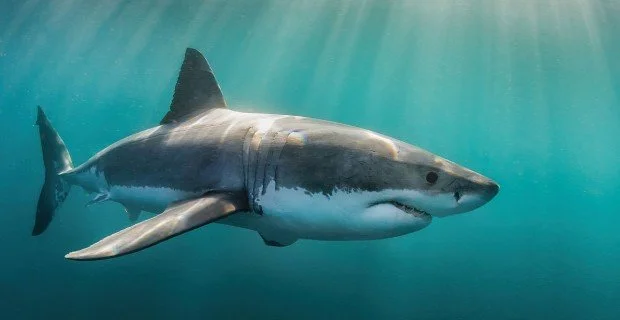
Photo From: Natural History Museum
GWS dominate their marine ecosystems, they are migratory, and are primarily found in New England, the Mid-Atlantic, the Pacific Islands, and the west coast of the United States. Growing to an average of 21 feet long, these sharks are apex predators in their respective ecosystems. They’ve been swimming through our oceans for nearly 11 million years!
By size alone, it would be very difficult to keep them in an aquarium setting, but not just the size, but the range for this species is outstanding as well! They migrate and move through the open ocean and swim at depths of nearly 4200 feet! Accredited aquariums have an obligation to only house animals where the welfare of those animals wouldn’t suffer. This would be giving the animal ample swimming room, not just to swim, but also these tanks need to be large enough to also handle the animal’s top speeds. Penguins, for example, may look small, but in reality, they have separate areas off exhibit where the penguins can hide from people; the tanks are deep enough and wide enough for prolonged swimming from the penguins, who are also capable of reaching their max speeds for short durations, as they would in the wild.
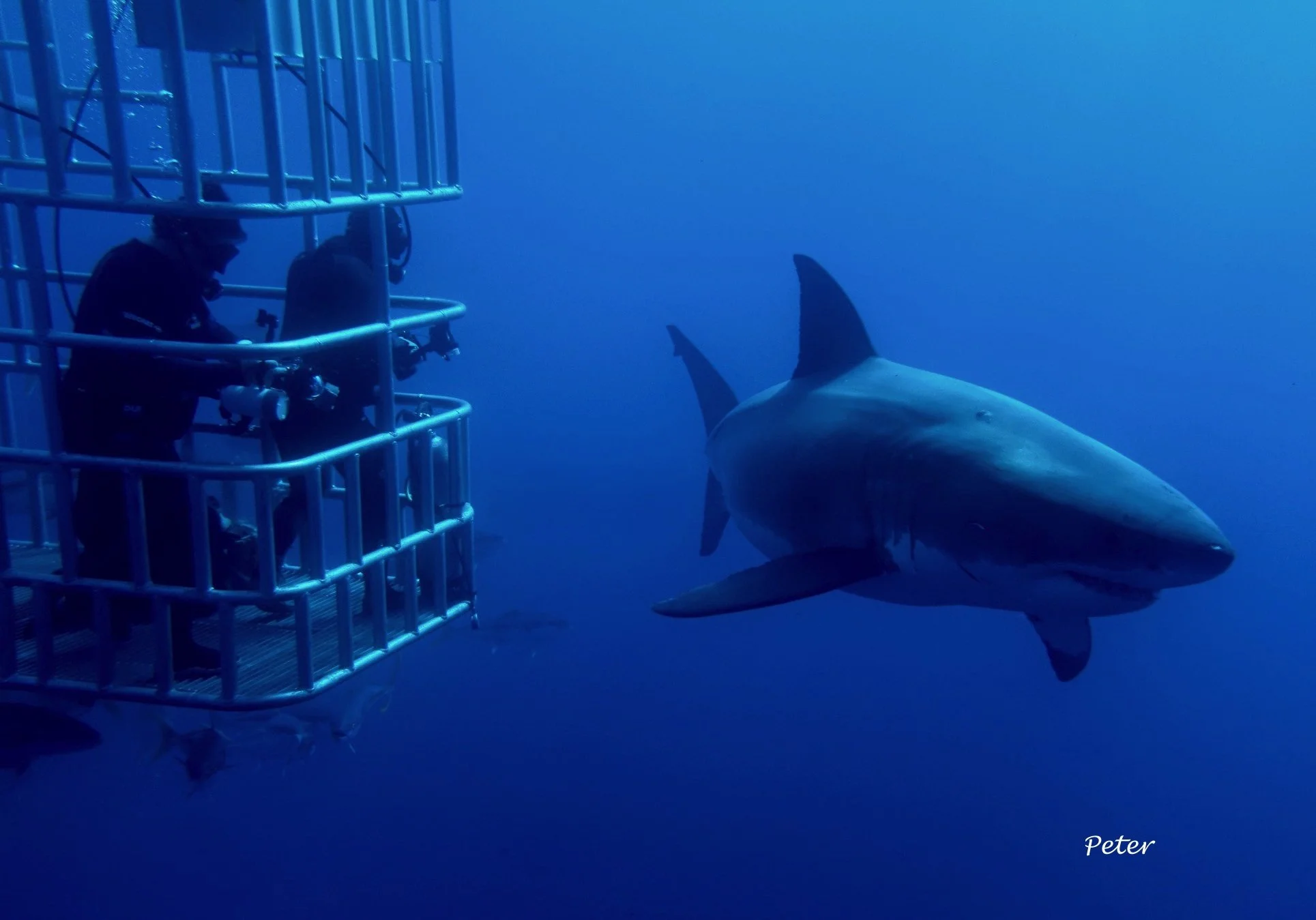
Photo From: Nautilus Adventures
So, back to the GWS, aquariums would need a tank large enough for ample migration routes but also deep enough for them to reach top speeds. This would be quite an ask for an aquarium. However, aquariums do manage it for another notorious migration animal: sea turtles. Sea turtles swim thousands of miles a day, just like GWS, and yet aquariums manage it for them. The main difference there is that sea turtles in aquariums are rescued and cannot be released back into the wild due to injuries or disabilities. So their migration patterns were already disrupted.
The most recent “attempt” was in Japan in 2016, where an adult GWS was placed in their largest aquarium (The Okinawa Aquarium), and the shark unfortunately only lasted 3 days. Thankfully, there hasn't been another attempt since. Ocassionally the Monterey Bay aquarium in California will take in GWS pups for rehabilitation reasons and then let go, but this is when they average only around 4 feet and are consistently eating smaller food items like fish.
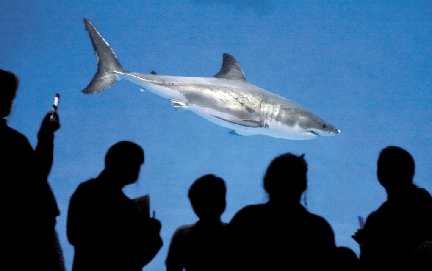
Photo From: Monterey Herald
Which leads us into the next discussion point: food. GWS adults will consist of other sharks and rays, sea turtles, seabirds, dead whales, and, of course, seals and sea lions. They prefer to eat animals with a high oil content due to their highly oily livers, which help them maintain buoyancy (sharks don’t have swim bladders like most fish). How would an aquarium feasibly be able to get an abundant source of seals and sea lions to feed their adult sharks? That’s the kicker, they wouldn’t. In California, seals and sea lions are protected animals, so they wouldn’t be available to harvest JUST to feed 1 GWS. The morality of this optic would unnerve most people.
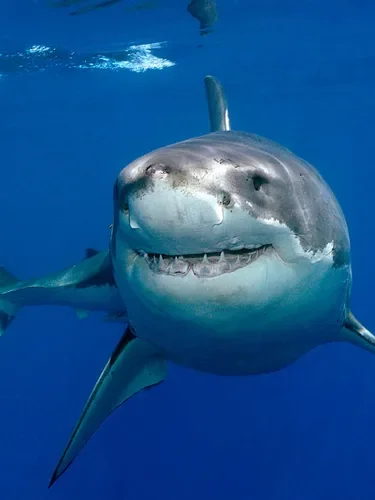
Photo From: World Wildlife Fund
People’s take on aquariums is very different, and adding in large, apex sharks like a GWS would see more backlash nowadays than before. So aquariums have lost the urge and have gained the foresight to understand that this is just the type of animal, people will just have to see in person to believe!
Ending this blog, it’s important to understand that GWS are an endangered species, labeled as ‘vulnerable’ on the IUCN Red List. Shark populations in general have declined rapidly over the last decade due to overfishing, illegal fishing, recreational sport fishing, and pollution. And even if you hate zoos and aquariums, zoos and aquariums DO A LOT of conservation projects, research, and protection. The Monterey Bay Aquarium has done its best to promote policies in the U.S that would see an end to targeted shark fishing as well as educate millions of people about the seafood they are eating.
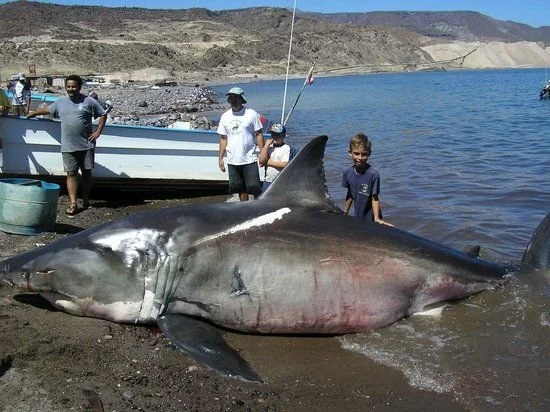
Photo From: Shark Diver
This is where YOU come in. The best way to help protect GWS and other shark species is by avoiding pollutants and just knowing where your seafood is coming from. Consider downloading the “Seafood Watch” app or visiting the website to learn more about how your seafood choices may be killing the planet or even killing you, then utilize the website/app to learn about the better alternatives!
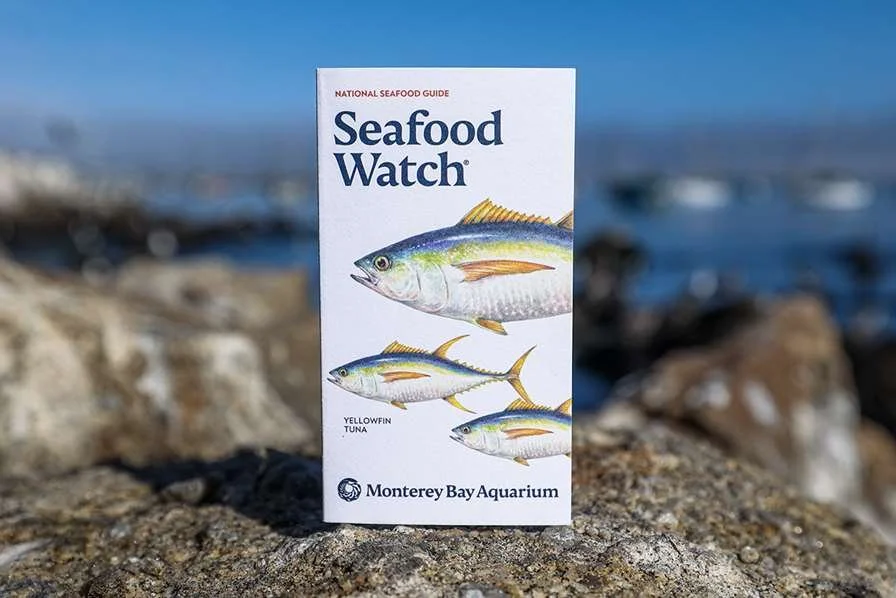
Photo From: Seafood Watch